MME Spring 2025 Article #3
by Katie Schramm
PhD Student, University of Michigan
This fall, in hurricane-force winds and rains, researchers, teacher practitioners, future music educators, and graduate students convened in Atlanta, GA, for the 2024 Biennial NAfME Music Research and Teacher Education Conference. Colleagues and students shared work and discussed music education’s current and future landscape.
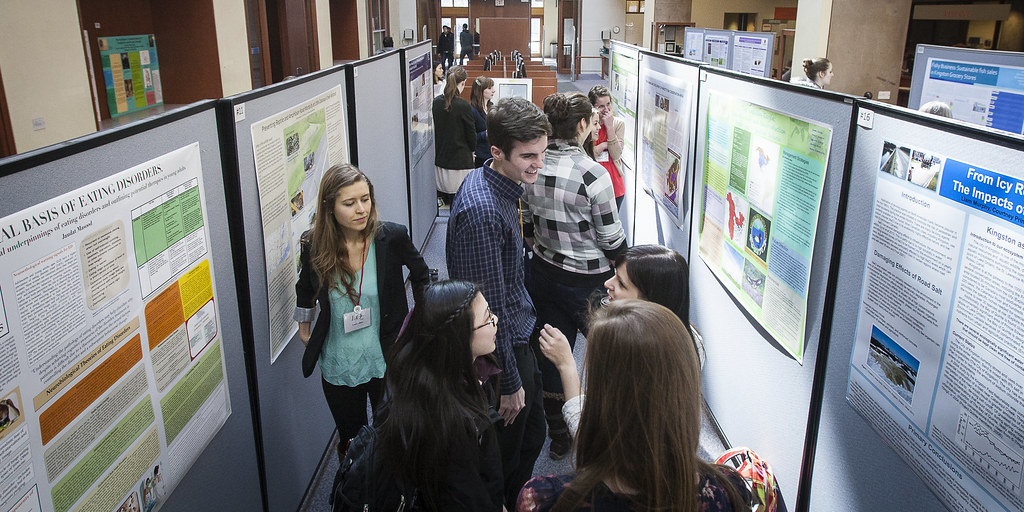
NAfME, along with the Society for Research in Music Education (SRME) and the Society for Music Teacher Education (SMTE), hosted a busy and vibrant conference from September 25 – 28 that included a preconference forum, two plenary sessions, 15 Special Research Interest Group (SRIG) sessions, numerous research sessions, and four poster sessions. The NAfME Strategic Plan “A Blueprint for Strengthening the Music Teacher Profession” guided session topics.
Teacher Recruitment Research
The “Blueprint” is also the name of a large-scale initiative recently undertaken by NAfME. Under the leadership of President Dr. Deborah Confredo, NAfME has reenergized its commitment to the music teaching profession through advocacy initiatives and committees like the Music Teacher Profession Advisory Committee. NAfME assembled a task force of higher education faculty who research high school student interest in the career of being a music educator, undergraduate music education majors, and new teachers.
The NAfME executive summary states the purpose of this project is to “[widen] the path to the profession by cultivating and strengthening more inclusive and equitable processes in recruiting, teaching, and nurturing a robust music teacher workforce.” This theme manifested at the 2024 conference through scholars who interrogated common practices and shed light on important issues within the field.
Dr. Jacob Berglin, Assistant Professor of Music Education at Western Michigan University, along with colleagues Dr. John Eros, Associate Professor of Music at Cal State East Bay and alum of the University of Michigan, and Dr. Tiger Robinson, gave an SMTE presentation exploring the community college (CC) to four-year program transfer process from the perspective of CC faculty who direct large musical ensembles. This qualitative case study, Ensemble Directors’ Experiences and Perspectives on Student Transitions from Two-Year to Four-Year Colleges, included six ensemble directors from six different CCs.
The authors recognized ways CC and four-year college faculty can collaborate to aid student success. The findings included CC directors wanting their students to be noticed, the social headwind that CC directors perceive for their students when they transfer, and how CC directors can recognize and advise students regarding potential barriers. Keep an eye out for this study in an upcoming issue of the Journal for Music Teacher Education.
State of Michigan Scholars at the Conference
The state of Michigan was well-represented at the 2024 conference, with 20 research posters and 34 paper presentations, sessions, or panel discussions by authors with Michigan affiliations. The comprehensive list of all titles and Michigan authors is included at the end of this article.
SMTE selected several other studies by Michigan faculty and alums for presentations. Dr. Marjoris Regus, Assistant Professor of Music Education at Rutgers, Dr. Kate Fitzpatrick-Harnish, Associate Dean of Undergraduate Academic Affairs and Associate Professor of Music at the University of Michigan, and Dr. Sean Grier, lecturer in Music Education at UNC-Chapel Hill, presented their study Considering Black Musical Capital in Music Teacher Education. This presentation offered ways to center Black Musical Capital in music teacher education programs. Both Dr. Regus and Dr. Grier are alumni of the University of Michigan.
Dr. Kristen Pellegrino, Professor of String Music education at the University of Texas at San Antonio and an alum of the University of Michigan, presented with Dr. Erik Johnson and Dr. Cynthia Wagoner a longitudinal case study, The Impact of Music Teacher Philosophies on Music Teacher Identity Over Time. Johnson, Pellegrino, and Wagoner looked at the teaching philosophies of six music teachers over the first five years of their teaching. Check out their upcoming book, Journeys of Becoming and Being Music Teachers, from Conway Publications.
Saleel Menon, Anne Martin, and Andrew Bohn presented their content analysis, an SRME paper titled The Case for QuantCrit: A Content Analysis of Race and Gender in The Journal of Research in Music Education, in which the authors investigated race and gender in quantitative studies across the last twenty years of SRME publications. Their findings suggest that “researchers do not account for race and gender in the majority of quantitative research, and when they do, their treatments lack nuance.” Using QuantCrit as a theoretical framework, the authors suggested ethical research practices for quantitative researchers to consider.
Dr. Juliet Hess’s study about supporting mental health concerns for music educators was also featured as an SRME paper session. This study, titled Working the Semicolon: Attending to Madness and Distress in Music Education, investigated 15 music educators’ experiences and included recommendations for how better to support students and teachers with mental health concerns. Dr. Heather Shouldice’s study, An exploratory study of teachers’ ensemble-related beliefs and attitudes about inclusion of students with disabilities, explored relationships between secondary music teachers’ attitudes about inclusion of students with developmental disabilities and their ensemble-related beliefs. Findings included a negative correlation between inclusivity and more traditional ensemble-related beliefs. Shouldice is a faculty member at Eastern Michigan University and an MSU and U-M alum. Many more presentations, including panel discussions by Michigan higher education faculty, left a lasting impression on conference-goers. Music education in Michigan was well-represented by all who presented posters and sessions!
Keynote Speaker: Omar Thomas
A highlight of the conference was the keynote address by composer and teacher Omar Thomas titled Closing the gap: Catching up to the reality of a musical world. Thomas was candid, funny, and engaging as he challenged the audience of P-12 and higher education teachers. Speaking openly, Thomas discussed his experiences as a student and faculty member with wordless indoctrination within formal institutions and music education models. He charged teachers nationwide to de-silo styles and traditions within music education. Thomas asked, “How can one be on the path to complete musicianship if one is not engaging with the full socio-cultural world?” and “with the full breadth of the human experience?” His message included a clear call to action: radically change the traditional music education curriculum and empower students to bring all of themselves to their music education.
At the end of the weekend, Dr. Chris Johnson, a Professor and Chair of Music Education and Music Therapy and Director of the Music Research Institute at the University of Kansas, was awarded the Senior Researcher Award. Dr. Johnson was nominated by University of Michigan professor Dr. Marie McCarthy, who received the award in 2022. Dr. Johnson’s long career included active service and leadership in NAfME, the International Society for Music Education, and numerous publications in JRME and other journals.
Conclusion
The 2024 Biennial NAfME Music Research and Teacher Education Conference ended with blue skies and warm weather, ensuring safe travel home for all attendees. Music teacher educators can look forward to the Symposium on Music Teacher Education, which will be held in the fall of 2025. The location and dates of this conference have yet to be announced.
Conference presenters highlighted significant developments within the field and areas of need within the music teaching profession, with Michigan students, faculty, and alumni making notable contributions. With an impressive number of research posters, paper presentations, and panel discussions, Michigan-affiliated scholars addressed critical topics of equity, inclusion, mental health, and innovative teaching practices. Michigan’s active participation underscored the state’s leadership in advancing the field and fostering meaningful dialogue around its most pressing issues.
Michigan Posters and Presentations
Posters
- “Exploring Teacher Artistry in a Collaborative College/Community Music Outreach Program,” Jacob Berglin, Western Michigan University Faculty
- “Music Teacher Education Responses to Changing Dialogues Regarding Traditional Classroom Management,” Collen Conway, U-M Faculty; Sean Grier and Dan Taylor, U-M Alum
- “Preservice Instrumental Music Teachers’ Developing Understanding of The Physical, Cognitive, And Musical Characteristics of Instrumental Music Learners in Grades 4-12,” Colleen Conway, U-M Faculty; Rebekah Weaver and Mike Vecchio, U-M Alum
- “Understanding And Enacting Presence: Exploring Novice Music Educators’ Understandings of Relationships,” Sommer Forrester, U-M Alum
- “Music Education Undergraduates’ Perceptions of Their Creativity in A Music Technology Course,” Thomas Flynn, U-M PhD Student
- “ ‘We’re Not Squirrels, We’re Zebras’: A Critical Discourse Analysis of Teachers With ADHD,” Corinne Galligan, EMU Alum And U-M PhD Student
- “Folk Around and Find Out: Cultural and Historical Sourcing for Music Cited as ‘Traditional’ in a General Music Curriculum Series,” Robin Gielbelhausen & Amy Sierzega, MSU Alum
- “Rupture and Repair: Descriptions of Teacher-Student Disconnection in Music Education,” Shannan Hibbard, U-M Alum and Wayne State Faculty
- “The Experiences of Students with Disabilities in A Secondary Instrumental Ensemble,” Erika Knapp, MSU Alum
- “Exploring Music Teachers’ Identity Development Through Field-Observations at A School for The Blind and Visually Impaired,” Becky Marsh, MSU Alum
- “Examining Preservice Teachers’ Perceptions of Marching Band Competitions Through Student-Written Cases,” Anne Martin, MSU PhD Student
- “Perceptions Of the Place in Jazz in Music Teacher Education Programs,” Zack Nenaber, U-M PhD Student
- “Considering Reggaetón in The Music Curriculum,” Marjoris Regus, U-M Alum
- “Choral Teacher Agency and Culturally Sustaining Pedagogy,” Katie Schramm, U-M PhD Student
- “Building And District Policies Impacting Music Instruction,” Ryan Shaw, MSU Faculty And U-M Alum; Andrew Bohn, MSU Alum
- “Experiences of Band Teachers Who Identify Outside the Gender Binary,” Heather Shouldice, Eastern Michigan Faculty, MSU and U-M Alum
- “Music Teachers’ Experiences of a Statewide Music Professional Development Conference,” Daniel Taylor, U-M Alum
- “Examining Adult Music Improvisation: An Exploratory Pilot Study,” Jenna Thompson, U-M Alum
- “The History and Development of Global Perspectives as Reflected in The Journal of Research in Music Education From 1953-2023,” Zhilin Zhang, U-M Alum
Presentations
- “Keeping Up with The Joneses: Navigating the Labyrinth of Credit-Hour Policy Decisions Impacting Music Education Degrees,” Ashley Allen, CMU Faculty
- “Ensemble Directors’ Experiences and Perspectives on Student Transitions Form Two-Year to Four-Year Colleges,” Jacob Berglin, U-M Alum and WMU Faculty; John Eros, U-M Alum
- “Exploring The Possibility for Queer Thriving in The Music Classroom Amidst Politically-Fraught Times,” Andrew Bohn, MSU Alum
- “The Fusion Band: A University Fieldwork and School District Partnership,” Casey Collins, U-M Alum
- “Editors’ Panel: Publishing In SMTE/SRME Research Journals – Information and Advice from Journal Editors,” Colleen Conway, U-M Faculty
- “Quality In Music Education Research: JRME And JMTE Editors’ Discussion of Methodological Rigor,” Colleen Conway, U-M Faculty
- “Preparing Preservice Music Teachers to Support K-12 Learners with Complex Communication Needs Using Assistive Technology,” Mara Culp, Siena Heights Alum
- “Preparing Preservice Music Teachers to Support Students Will Dis/Abilities in Elementary General Music,” Mara Culp, Siena Heights Alum; Karen Salvador, WMU and MSU Faculty
- “A Content Analysis of Music Teacher Education Job Announcements 2011-2023,” Tami Draves, MSU Alum
- “Experiences Of Preservice Music Teachers With ADHD,” Corinne Galligan, U-M PhD Student
- “The Vulnerability in Singing Comes from Trust in The Relationship First,” Sean Grier, U-M Alum
- “‘But You Look Fine?!?!?,’ Experiences of Three Preservice Music Educators with Hidden Disabilities in An Undergraduate Music Education Program,” Rachel Grimsby, MSU Alum
- “Parallel-Form Reliability of The Online Primary Measures of Music Audiation: A Pilot Study,” Rachel Grimsby, MSU Alum
- “Reconceptualizing Authoritative Conductors as Facilitating Educators: Examining Shared Control Across Conducted and Unconducted Rehearsal Sound,” Alan Gumm, CMU Faculty
- “Working The Semicolon: Attending to Madness and Distress in Music Education,” Juliet Hess, MSU Faculty
- “Considering Relational Disconnection and Repair in Music Teacher Education,” Shannan Hibbard, Wayne State Faculty
- “Re-Constructing the Cornerstones: Reflections on Introduction to Music Education Courses and Curricula Within Music Teacher Preparation,” Jessica Vaughan Marra and Christopher Marra, U-M Alum
- “Media Portrayal of Marching Band Students with Disabilities: A Critical Discourse Analysis,” Anne Martin, MSU PhD Student
- “The Case for Quantcrit: A Content Analysis of Race and Gender in The Journal of Research in Music Education,” Saleel Menon and Anne Martins, MSU PhD Students, and Andrew Bohn, MSU Alum
- “Navigating Cisgenderism: The Experiences of Three Gender-Expansive Music Educators,” Joshua Palkki, MSU Alum
- “The Impact of Music Teacher Philosophies on Music Teacher Identity Over Time,” Kristen Pellegrino, U-M Alum
- “Creative Personality and Music Teachers: Measuring the Roots of Creative Pedagogy,” Clint Randles, MSU Alum
- “A Mixed-Methods Investigation of Youth Perceptions of Socio-Musical Behavior Within a High School Band Program,” Jared Rawlings, U-M Alum
- “Considering Black Musical Capital in Music Teacher Education,” Marjoris Regus, U-M Alum; Kate Fitzpatrick, U-M Faculty; Sean Grier, U-M Alum
- “Transforming Music Teaching and Learning Together,” Pre-Conference Forum, Marjoris Regus, U-M Alum
- “Centering Black Youth’s Resistance, Healing, And Futurity in Music Education,” Lorenzo Sánchez-Gatt, MSU Alum
- “Developing Policy Awareness in Pre-Service Music Teachers,” Ryan Shaw, MSU Faculty And U-M Alum
- “An Exploratory Study of Teachers’ Ensemble-Related Beliefs and Attitudes About Inclusion of Students with Disabilities,” Heather Shouldice, Eastern Michigan University Faculty and MSU And U-M Alum
- “Planning And Realizing Research Towards Blueprint Goals,” Ann Marie Stanley and Jared Rawlings, U-M Alum
- “Working With Faculty to Effect Curricular Change,” Ann Marie Stanley, U-M Alum; Karen Salvador, WMU Alum and MSU Faculty
- “Preserving The Historical and Cultural Musical of Louisiana Through School Music: An Ethnographic Case Study,” Christopher Song, U-M Alum
- “What’s Next: Implications of Recent Discussions of Parenting Experiences in Music Education,” Bridget Sweet, WMU & MSU Alum, Kate Fitzpatrick-Harnish, U-M Faculty
- “Professional Development on Demand: Leveraging Digital Media for Professional Learning in Music Education,” Daniel Taylor, U-M Alum
- “Navigating Gender in Academia,” Andrea Vandeusen, MSU Alum
- “Creative Musical Agency and The Pedagogy of Composition Activities in Secondary Instrumental Music,” Mike Vecchio, U-M Alum
- “Dismantling Colonizer-Colonized Mindsets: A Culturally Responsive General Music Course Model,” Zhilin Zhang, U-M Alum
 The Michigan Music Educator
Leave a comment